EN

How to Customize Length Size of Precision Cut GI Coil Finished Sheets
Most procurement managers ordering galvanized steel for roofing or structural applications start with a fixed coil width and a standard mill length. That approach works — until a roll-forming line calibrated for 2,440 mm panels receives sheets cut 8 mm long, causing misalignment at every fifth panel. Provided the length tolerance on the purchase order matches what your shear equipment can hold, custom fabrication GI coil cut-to-length is a manageable process. Getting the specification right before production starts is where most downstream waste is eliminated.
Why Custom Length GI Coil Sheets Matter for Downstream Fabrication
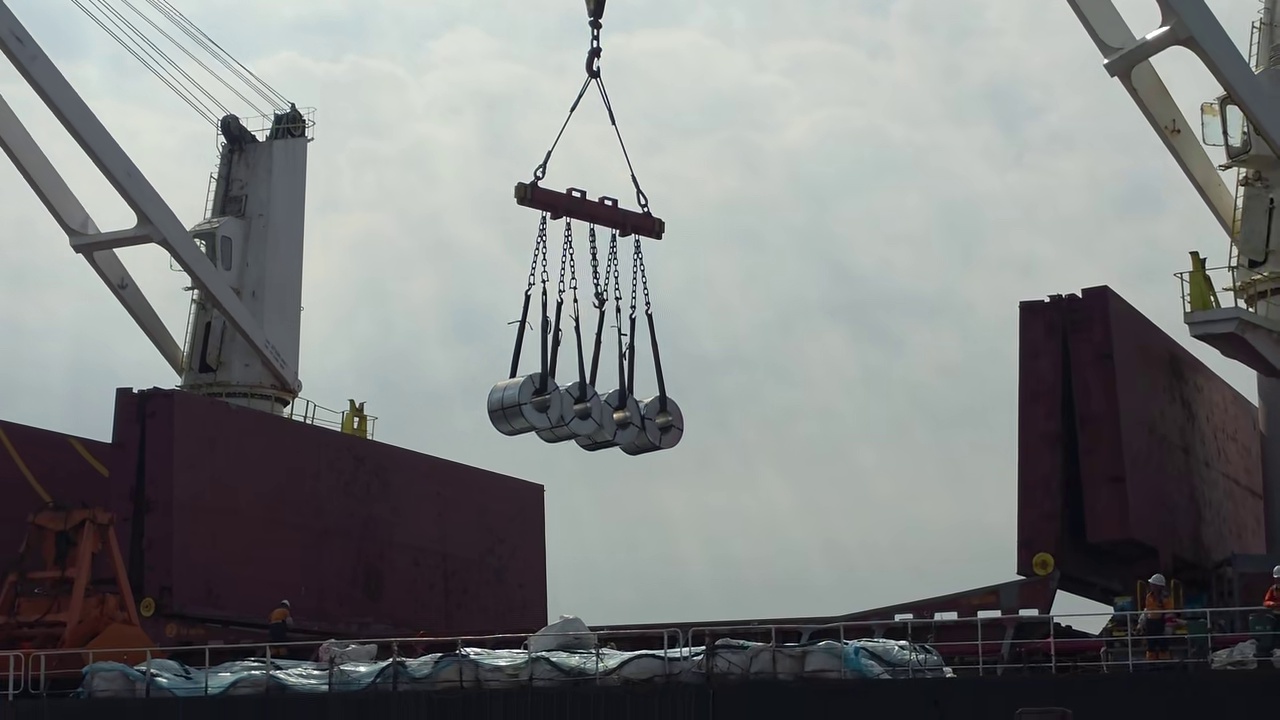
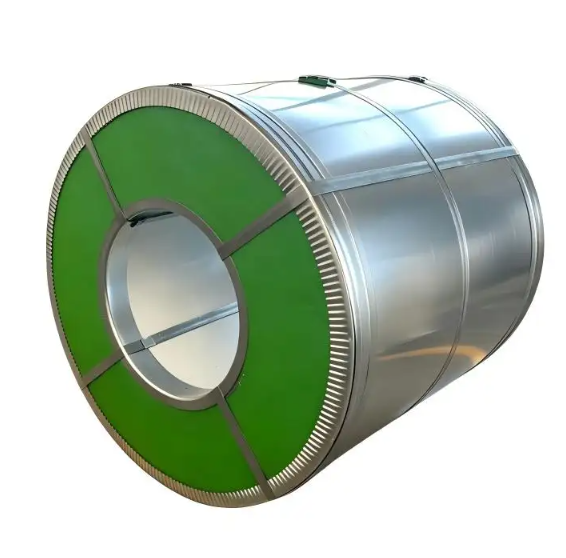
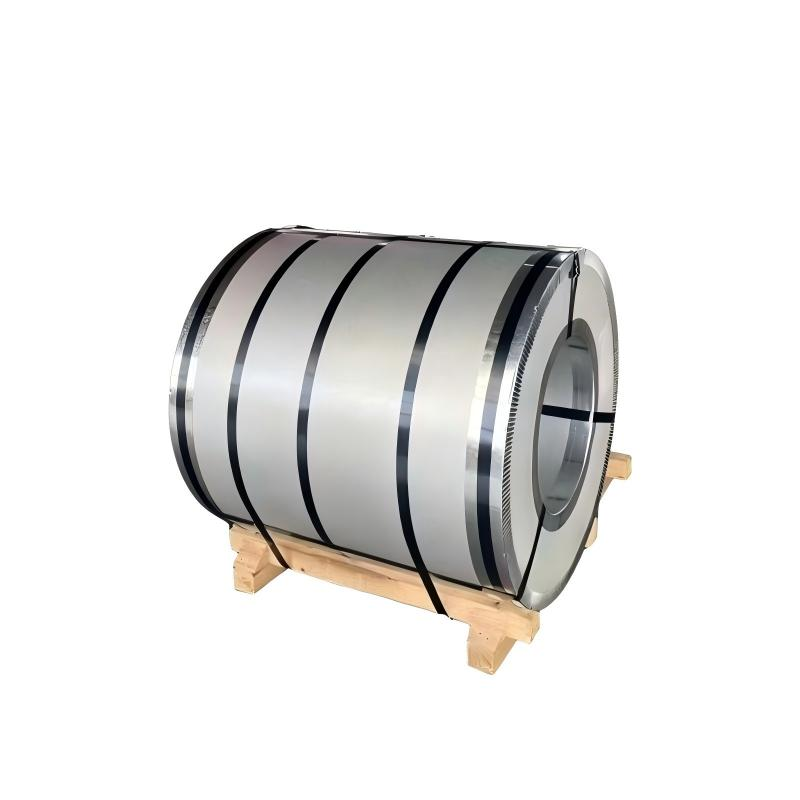
A GI coil — hot-dip galvanized steel coil — arrives from the mill in master coil format, typically weighing between 3 and 10 metric tons per coil and spanning hundreds of meters in continuous length. For most construction and manufacturing applications, that master coil must be converted into flat, square-edged finished sheets before installation or further processing.
Standard mill cut lengths (1,000 mm, 1,200 mm, 2,000 mm, 2,440 mm) cover the majority of applications. Bespoke GI coil requirements emerge frequently in practice, though: a roofing contractor may need 1,820 mm panels to match an existing building bay spacing; a duct fabricator may require 915 mm blanks to reduce scrap when punching circular sections. When a non-standard dimension is needed, custom fabrication GI coil cut-to-length processing is the path forward.
Understanding the Cut-to-Length Process for GI Coil
Cut-to-length (CTL) processing for GI coil follows a consistent sequence:
- Decoiling and feed — The master GI coil is mounted on a motorized decoiler mandrel (508 mm or 610 mm inner diameter, matched to coil specification). The strip is fed into the leveling section under controlled tension.
- Leveling and flattening — A multi-roll leveler removes coil set and edge wave. For GI coil specifically, residual internal stress from coiling can cause cut sheets to bow or camber after shearing, creating fit-up problems during installation.
- Length measurement and feed advance — An encoder-based measuring wheel or servo-driven feed rolls advance the strip to the programmed length. High-precision CTL lines hold length tolerances within ±0.5 mm to ±2 mm depending on line speed and material thickness.
- Shear cutting — A guillotine or flying shear cuts across the full coil width at the target length, meeting customer specifications from run to run.
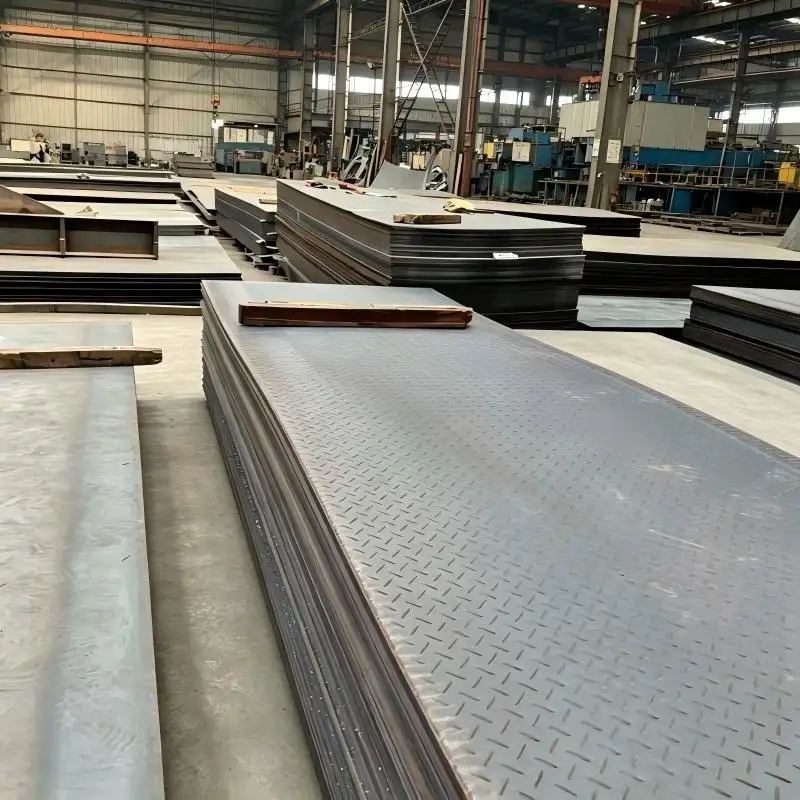
- Sheet stacking and collection — Cut sheets exit onto a conveyor and are stacked in bundles ready for packaging and dispatch.
In our experience working with steel fabricators, the most common source of length variation is not the shear itself but uncontrolled strip feed slip — particularly with thin material (under 0.5 mm) across wide coils (above 1,000 mm). Confirming CTL line encoder calibration and feed-roll grip pressure before a production run is standard practice for quality-critical GI coil orders.
How to Specify Your Custom Length Requirements
When placing a custom fabrication GI coil order, your purchase order or RFQ must define at least four parameters:
1. Nominal Length and Tolerance Band
State the target sheet length in millimeters (or inches) and the acceptable tolerance band. Common tolerance bands for construction-grade GI coil sheets are:
- ±3 mm — Standard for non-precision construction applications (roofing, wall panels, general fabrication)
- ±1.5 mm — Commercial/industrial fabrication, HVAC duct blanks
- ±0.5 mm or tighter — Precision blanking for downstream stamping or press operations
A length dimension without a stated tolerance band means the supplier defaults to their equipment's standard tolerance. That may or may not match your process requirement — confirming tolerance capability in writing prevents dimension disputes that only surface after goods arrive at your facility.
2. Coil Width (Which Becomes Sheet Width)
Coil width is set at the mill and stays unchanged during CTL processing — the line cuts across the width, not along it. If you need a sheet width different from the master coil width, slitting must happen either before or after the CTL step. Confirm with your supplier whether combined slit-and-cut processing is available, and what minimum order quantities apply for non-standard coil widths.
3. Base Metal Thickness
GI coil thickness ranges from 0.2 mm to 3.0 mm in typical trading stock. For CTL processing, thinner gauges (below 0.4 mm) require lower shear blade clearance settings to produce clean-edged cuts without burr formation. Specifying nominal thickness without indicating the acceptable minus-tolerance practice can result in sheets that weigh less than the declared amount — a recurring source of weight discrepancy between invoiced and delivered tonnage.
4. Zinc Coating Weight
Coating weight (expressed in g/m², such as Z80, Z120, Z275) adds a small dimension offset to nominal thickness. For most structural applications this is negligible, but in tight-tolerance assemblies where multiple layers of GI sheet stack or nest, the coating contribution to overall thickness deserves a place in dimensional planning. For bespoke GI coil orders with Z275 or heavier coatings, confirm with your supplier that the CTL blade configuration accounts for total effective thickness, not just the base metal gauge.
Protecting Zinc Coating at Shear-Cut Edges
Running a gloved hand along the shear-cut edge of a GI sheet immediately reveals whether burrs or micro-tears are present — a sign of excessive blade clearance or worn tooling during the cutting process. Edge quality matters beyond appearance alone: exposed bare steel at a shear-cut edge is where zinc corrosion protection ends. In moderately aggressive environments (coastal construction, open warehouses, HVAC ductwork), unprotected cut edges are the first location where red rust appears.
Practical edge protection measures include:
- Applying cut-edge primer or zinc-rich paint immediately after shearing, particularly for exterior roofing and cladding applications
- Specifying galvanic zinc content in any edge treatment product to maintain electrochemical protection at the cut
- For high-corrosion-risk applications, requesting a heavier zinc coating weight (Z200 or Z275) on the base coil, so the galvanic reserve at the cut edge lasts longer without treatment
Working with Your Supplier to Get Custom Dimensions Right
Still unsure whether your target length falls within your supplier's CTL equipment capability? The answer largely depends on the specific line configuration, measuring system calibration, and whether the order volume justifies a dedicated set-up run.
When sourcing precision custom fabrication GI coil sheets, ask your supplier these questions before finalizing the order:
- What is the minimum and maximum sheet length your CTL equipment can produce?
- What length tolerance can you commit to in writing for my specified thickness and width?
- What is the minimum order quantity for a non-standard length?
- Is the GI coil stock from warehouse or mill-production? (Ex-stock CTL orders have shorter lead times but may have limited gauge and coating choices.)
- Can you supply a mill test certificate (MTC) showing zinc coating weight and base metal mechanical properties for the specific coil to be cut?
Shenyang Yuanhe Steel Trading Co., Ltd. holds warehouse stock of standard GI coil specifications and supports custom slit widths and customer-specified coating weights for both standard and bespoke size custom fabrication GI coil orders. Orders destined for North America, Europe, Africa, and South America are supported with full export documentation, including mill test reports tied to specific coil heat numbers for traceability.
Summary: Key Specification Checkpoints for Custom Cut GI Coil Sheets
Before placing a custom length GI coil order, verify the following:
- Nominal sheet length with explicit tolerance band (±3 mm, ±1.5 mm, or tighter)
- Coil width confirmed against your fabrication equipment requirements
- Base metal thickness with minus-tolerance declared
- Zinc coating weight specified (Z80 through Z275 or heavier for demanding environments)
- Edge treatment plan confirmed for cut edges in corrosion-risk applications
- MTC and traceability documentation required for project compliance
Getting these parameters into the purchase order at the outset eliminates the back-and-forth that delays production and creates dimension-related disputes on arrival. Contact our team at [email protected] to discuss your specific GI coil cut-to-length requirements and receive a tailored quotation.