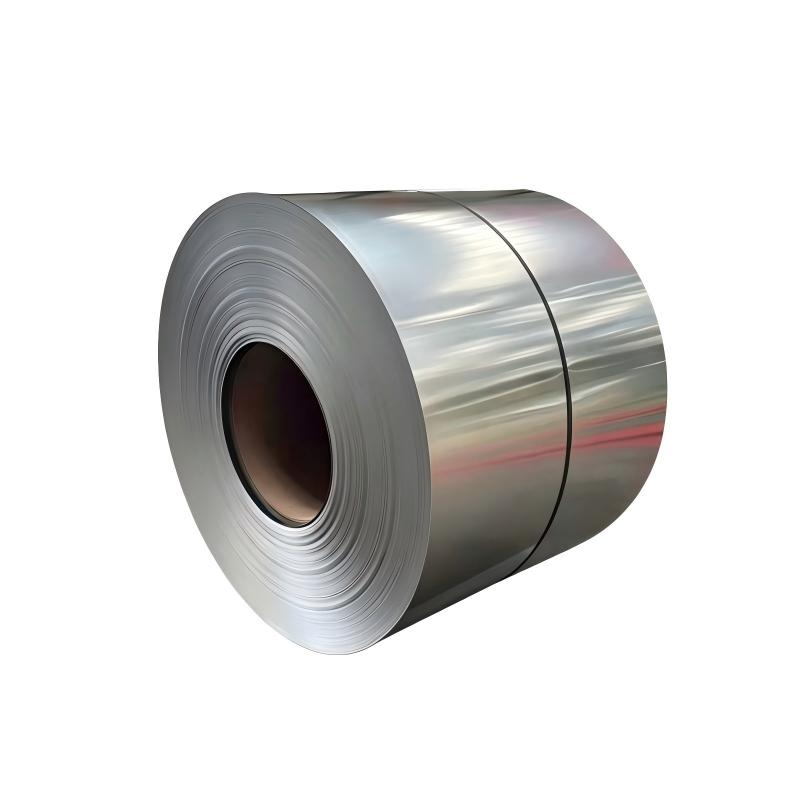
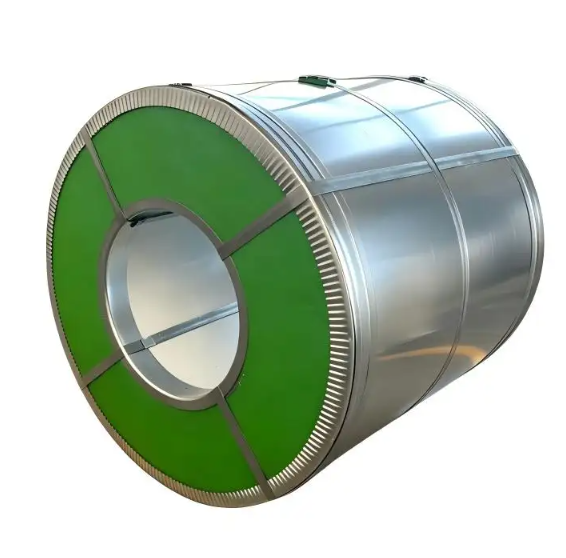
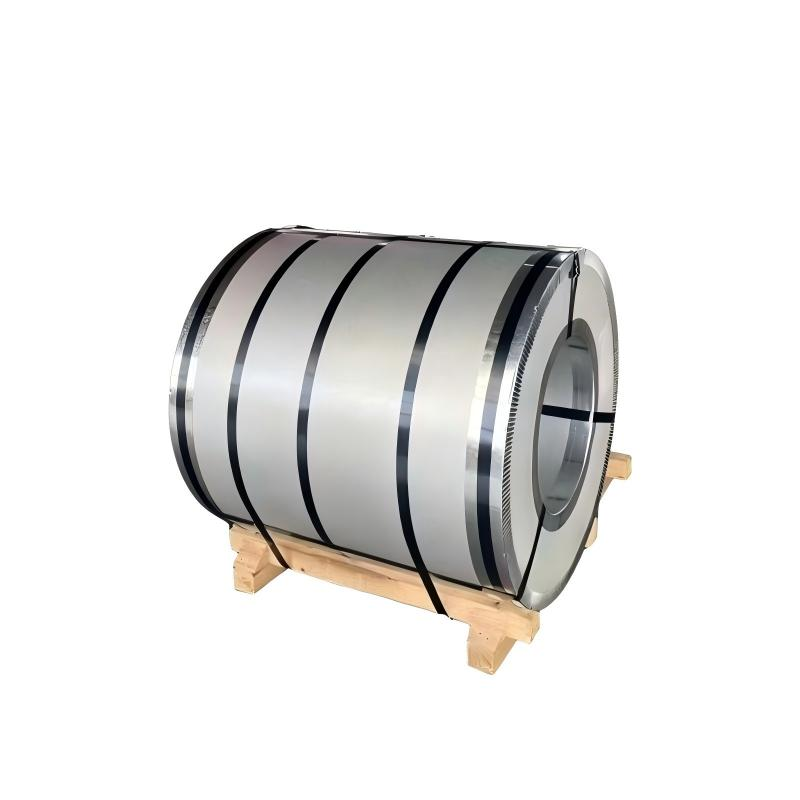
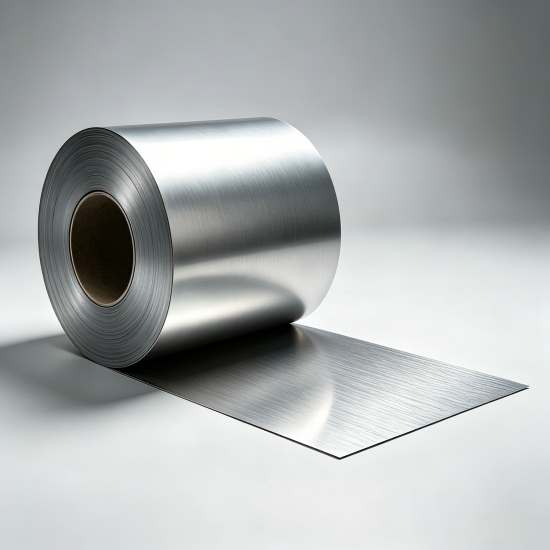
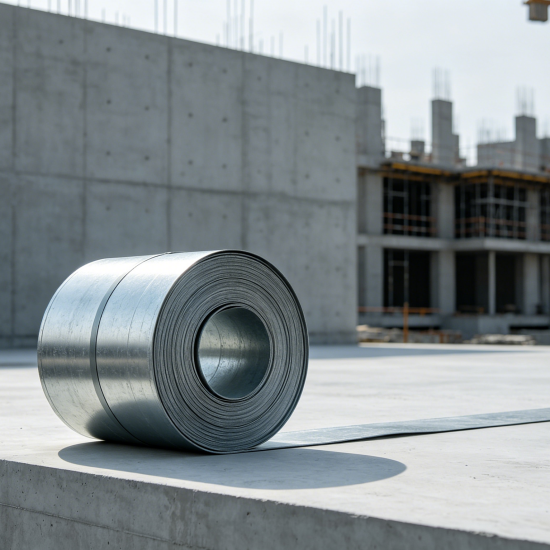
When walking through expanding industrial zones or high-density residential developments in Southeast Asia, Central America, or West Africa, a distinct trend becomes immediately clear: traditional roofing options are rapidly disappearing. Replacing them is high-grade prepainted galvalume steel, widely known across the global supply chain as PPGL COIL .
Building contractors, steel distributors, and project developers in tropical regions face relentless environmental challenges. Year-round high relative humidity hovering between 80% and 95%, intense solar radiation with UV indices frequently exceeding 11, heavy monsoon downpours, and salt-laden coastal winds create an aggressive cocktail that destroys standard metal roofing in just a few short years.
Intellegere cur PPGL COIL has surpassed conventional alternatives like galvanized steel requires looking beyond surface aesthetics down to the underlying metallurgy, structural performance, and overall lifecycle cost efficiency.
Understanding the Substrate: The Core Advantage Over Galvanized Options
To appreciate why this material thrives in harsh environments, it helps to break down the technical differences between PPGL and PPGI . While both products feature a factory-applied paint system baked over a protective metallic coating, their base substrates differ fundamentally in chemical composition and long-term durability.
-
PPGI (Prepainted Galvanized Iron): Utilizes a substrate composed almost entirely of pure zinc (typically Z140 to Z275 coatings). While zinc provides sacrificial cathodic protection to the underlying steel core, it reacts relatively quickly in warm, humid, or sulfur-rich environments, leading to rapid degradation once the top paint layer experiences minor cracking or weathering.
-
PPGL (Prepainted Galvalume Steel): Utilizes a specialized alloy substrate made of approximately 55% aluminum, 43.5% zinc, and 1.5% silicon.
This specific 55% aluminum-zinc composition creates a powerful synergistic defense mechanism. The aluminum portion forms an extremely stable aluminum oxide barrier layer that blocks atmospheric oxygen and moisture. Simultaneously, the zinc component maintains sacrificial protection for exposed edges and scratches.
Cum aestimantur PPGL and PPGI side-by-side under tropical conditions, salt-spray chamber testing and multi-year outdoor exposure studies consistently show that the galvalume substrate delivers two to four times the corrosion resistance of standard galvanized coatings with equivalent thicknesses.
Heat Reflection and Energy Savings in Tropical Urban Environments
Beyond moisture and corrosion, heat accumulation represents one of the biggest structural and operational challenges for tropical facilities. Urban heat islands in mega-cities such as Jakarta, Bangkok, Lagos, and Ho Chi Minh City drive ambient indoor temperatures to extreme levels, straining cooling systems and spiking energy expenses.
The choice of metal substrate plays an essential role in thermal management:
-
Unpainted Reflectivity: Standard unpainted galvalume exhibits an initial solar reflectance index (SRI) ranging from 0.55 to 0.65, whereas unpainted galvanized steel typically averages between 0.35 and 0.45.
-
Paint Compatibility and Performance: When factory-coated with heat-reflective organic paint systems (such as PVDF or high-durability polyester), a quality PPGL COIL reflects a massive portion of infrared radiation away from the structure.
-
Cut-Edge Edge Passivation: High temperature and moisture usually accelerate cut-edge rust. However, the aluminum-zinc matrix in galvalume creates a self-passivating oxide film at sheared edges, preventing red rust from creeping inward beneath the paint film.
In large-scale commercial logistics parks and agricultural storage facilities, switching to high-reflectivity steel panels can lower interior working temperatures by 3°C to 5°C. For facilities running continuous climate control, this temperature drop correlates directly to a 12% to 18% reduction in annual cooling energy overhead.
Technical Performance Breakdown
For project engineering teams and procurement specialists weighing material selection for long-term deployments, comparing performance metrics highlights clear operational advantages:
| Index Perfectionis |
PPGL Coil (55% Al-Zn Substrate) |
PPGI Coil (Pure Zinc Substrate) |
| Typical Substrate Spec |
AZ150 (150 g/m² Al-Zn) |
Z275 (275 g/m² Zinc) |
| Salt Spray Resistance (ASTM B117) |
1,500 – 2,500 Horae |
500 – 1,000 Horae |
| Expectatio Vitae in Regionibus Litoralibus |
15 – 25+ Anni |
7 – 12 Anni |
| Tendentia ad Ruginem in Oris Sectis |
Minima (Stratum Oxidicum Passivans) |
Modica ad Alta (Consumptio Zinci Rapida) |
| Index Reflexionis Solaris (SRI) |
Alta (0.55 – 0.65 Basis) |
Moderatus (0.35–0.45 Baseline) |
| Praemium Iniziale Materialis |
Baseline + 5% ad 10% |
Linea fundi |
Dum pretium initiale materiae ex galvalume sit circiter 5% ad 10% altius quam optiones ex zincato, totus possessio-custos multo minor est. Duplare vel triplicare vitam operationalem tecti tollit praematuras demolitiones, curas structurales, et temporis intermissionem pro inquilinis commercialibus.
Ordo Bobinae PPGL Paratae in Constructione Dependentia a Tempore
Specificationes technicae vix valent si disponibilitas materiae sistit ordines constructionis currentes. Cycli constructionis tropicalis notorie angusti sunt, paene totum a tempestivis pluviis et fenestris meteorologicis dicti. Contractiones non possunt sibi permittere ut projecta intermittantur sex ad octo hebdomadas dum exspectant productiones speciales ab officina ferrea.
Haec realitas auxit magnam petitionem pro ferro-accipiendo facile accessibili et in fabrica reposito, saepe appellato bobina PPGL parata . Having pre-produced material available in standard industry widths, standard gauges (such as 0.4 mm to 0.6 mm), and high-demand tropical color palettes (like sea blue, off-white, and bright red) fundamentally changes site logistics:
-
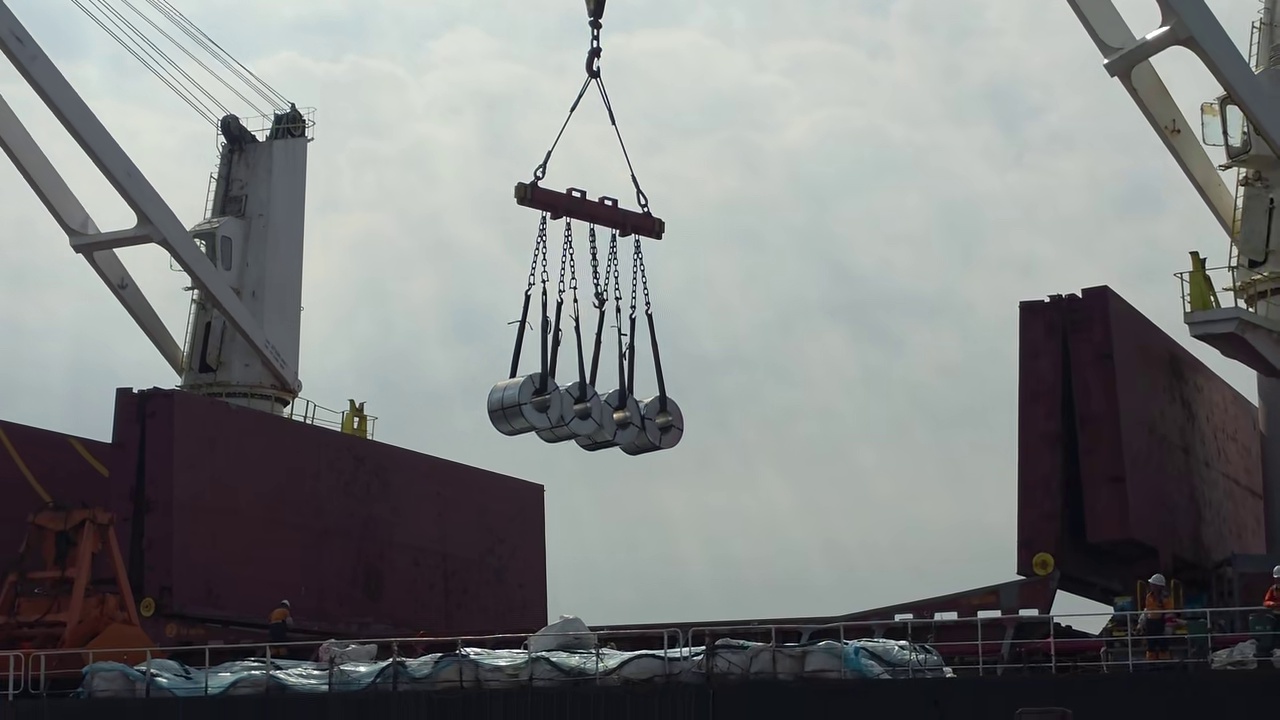
Drastic Lead Time Reduction: Standard custom mill orders require weeks of scheduling, whereas ready stock can be packaged and dispatched within days.
-
Flexible Order Quantities: Buying pre-stocked master coils allows local distributors and smaller roof-forming workshops to purchase exact quantities without hitting restrictive minimum order tonnages.
-
Price Volatility Protection: In fluctuating global steel markets, sourcing immediate inventory shields buyers from long-term currency shifts and sudden raw material price surges.
When contractors can match short lead times with superior atmospheric performance, project risk drops substantially.
Sourcing Considerations and Supply Chain Reliability
Adoptare vita maxima a tegulis metallicis pictis requirit custodiam qualitatis rigorem in processibus fabricandi et dividendi. Adhaesio substrati, distributio exacta ponderis strati zinci-aluminii, spissitudo micronum strati picturae (typice 15–25 microna in parte supera et 5–8 microna in parte primaria/versa), et tensio coilis recta sunt essentialia ad praecavendum exfoliationem praecocem, chalkingem, aut incurvationem marginum sub sole calido.
Emptores internationales et aequipes technicae magis magisque innituntur sociis commercii globalibus probatis, qui coniungunt capacitatem fabricandi magnae scalae cum administratione flexibili inventarii in magazzinis.
Shenyang Yuanhe Steel Trading Co., Ltd. sese confirmavit ut fornitor internationalis fidus in hoc sectori, servans inventarium latissimum de bobina PPGL parata adapted specifically for demanding tropical applications. By bridging high-capacity steel production with streamlined, responsive international logistics, Shenyang Yuanhe Steel Trading Co., Ltd. helps contractors, local roll-formers, and project developers secure top-tier roofing solutions with minimal lead times and complete quality compliance.
Selecting the right metal roofing system ultimately comes down to balancing harsh environmental demands against long-term financial returns. As real-world field data continues to validate the superior lifespan, thermal insulation benefits, and economic efficiency of galvalume substrates, high-performance prepainted steel will remain the definitive standard for modern tropical architecture.
 EN