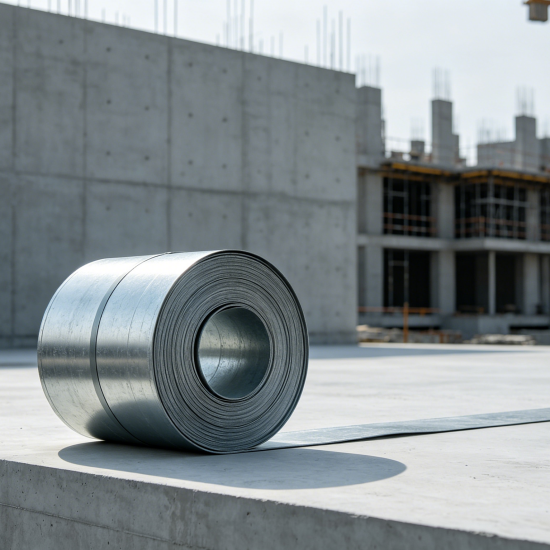
Building owners and facility managers frequently confront the staggering, hidden expense of recurring exterior maintenance. Repainting standing seam steel roofs every few seasons, swapping out corroded cladding panels after a decade of rain, and paying for scaffolding, labor, and operational downtime devour capital budgets. A common scenario unfolds across industrial parks globally: a facility installs traditional galvanized panels, only to find that cumulative maintenance and replacement costs exceed the original installation expense within twelve years. The initial material selection dictates the entire lifecycle expense of any commercial envelope.
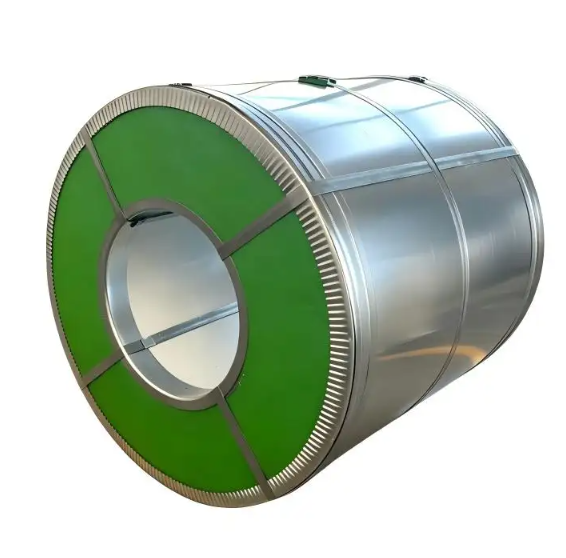
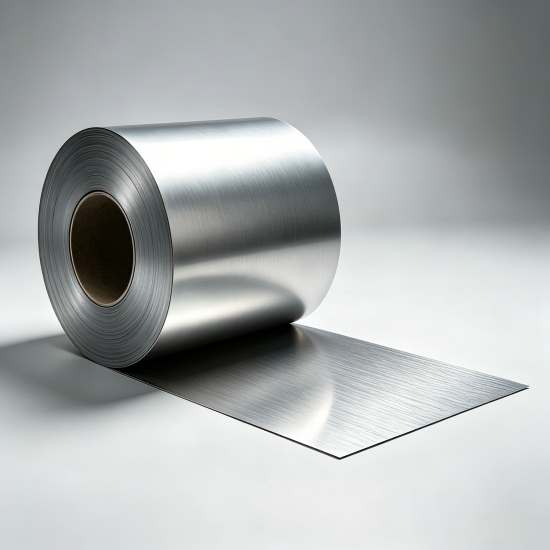
This financial drain is why galvalume steel coil has radically altered industrial construction standards. Unlike standard galvanized metal, galvalume coil—engineered with an alloy coating composed of 55% aluminum, 43.4% zinc, and 1.6% silicon—delivers a superior protection mechanism that yields long‑term, maintenance‑free steel panels. Understanding the underlying metallurgy explains why this material delivers unparalleled durability in harsh environments.
Decoding Metallurgy and Long‑Term Performance
The performance secret of weather‑resistant galvalume steel coil resides in its dual‑action barrier protection. The aluminum content within the alloy solidifies into a tough oxide surface film. This oxide layer creates a passive physical barrier against moisture, industrial pollutants, and ultraviolet radiation. Simultaneously, the zinc component offers sacrificial cathodic protection along sheared edges, drill holes, and accidental surface scratches.
When exposed to moisture, the zinc corrodes preferentially, sacrificing itself to guard the exposed structural steel core. As the zinc reacts, it produces a healing matrix of zinc compounds that seals the cut edge, preventing rust from migrating inward under the protective shell. In high‑humidity coastal zones subject to intense salt air, cladding fabricated from weather‑resistant galvalume steel coil exhibits minimal surface oxidation after years of exposure. The substrate keeps its structural integrity intact without requiring repainting, panel swaps, or expensive protective sealants.
Calculating Lifetime Value Across Commercial Operations
To appreciate what genuine maintenance‑free performance means for commercial assets, consider the side‑by‑side operational history of two equal‑sized industrial distribution centers built in severe weather environments:
| Cost Metric (12‑Year Horizon) |
Standard Galvanized Roof |
Galvalume Steel Coil Roof |
| Initial Material Coating |
Z275 Zinc Coating |
AZ150 Galvalume Coil |
| Year 5 Maintenance |
Recoating & Priming ($18,000) |
$0 (Routine Inspection Only) |
| Year 8 Edge Rust Repairs |
Spot Panel Replacement ($12,000) |
$0 (No Edge Rust) |
| Year 12 Structural Work |
Partial Roof Overhaul ($45,000) |
$0 (Intact Barrier Layer) |
| 12‑Year Maintenance Total |
$75,000 |
$0 |
The performance divide between these substrates is transformative. While conventional galvanized installations require continuous intervention to halt oxidation, galvalume steel coil setups routinely reach two decades of continuous duty without structural degradation.
Protecting Operational Continuity for Industrial Facilities
For logistics hubs, manufacturing plants, and processing facilities, roof maintenance represents far more than the direct cost of materials and labor. Every maintenance event creates logistical friction:
-
Uninterrupted Operations: Roof repairs often require clearing floor space below work zones, disrupting assembly lines, or risking inventory damage. Installing maintenance‑free steel panels eliminates scheduled maintenance shutdowns.
-
Capital Expense Predictability: Facilities managers avoid sudden capital expenditures caused by premature substrate failure, keeping operating budgets stable over decades.
-
Safety Hazard Mitigation: Fewer maintenance events mean reduced high‑altitude labor exposure for facility crews, lowering insurance liabilities and job‑site safety risks.
-
Thermal Efficiency: The native silver surface of galvalume coil reflects a substantial fraction of solar radiation, reducing interior cooling loads and lowering HVAC operating energy expenses.
Aesthetic Endurance Under Extreme Climatic Conditions
Beyond structural resilience against rust, weather‑resistant galvalume steel coil retains visual appeal under severe climatic stress. In desert regions subjected to intense sun, sandstorms, and extreme thermal fluctuations, exterior panels formed from galvalume steel coil hold their distinctive silver spangle appearance year after year.
The aluminum‑zinc micro‑structure resists chalking, fading, and thermal crazing better than traditional metallic coatings. Furthermore, should an architectural project require custom branding or specific color matching down the line, the matte spangle surface of galvalume coil serves as an ideal base for field‑applied primer and paint systems.
Best Practices for Error‑Free Installation
Achieving a multi‑decade, maintenance‑free lifecycle requires adherence to precise fabrication and handling standards during assembly:
-
Fastener Selection: Always pair maintenance‑free steel panels with high‑grade stainless steel or cap‑matched coated fasteners. Substandard carbon steel screws introduce localized galvanic corrosion.
-
Overlapping Sealants: Use non‑curing butyl tape sealants at panel laps to block capillary water draw in low‑slope roofing configurations.
-
Field Cut Treatment: While weather‑resistant galvalume steel coil self‑heals at edges, applying a zinc‑rich clear compound to thick field cuts provides immediate protection in aggressive industrial environments.
-
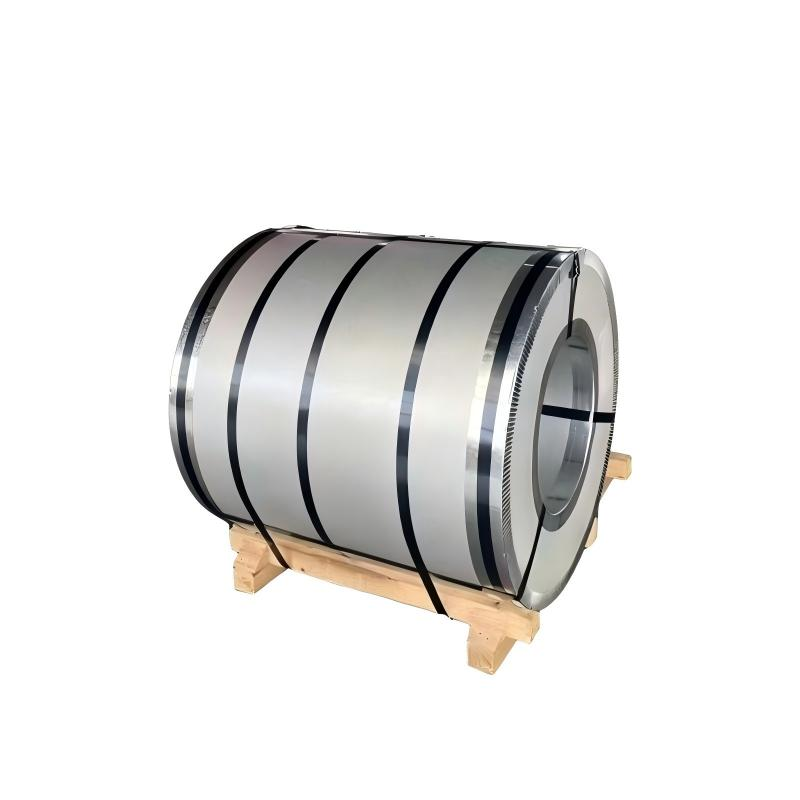
Proper Storage & Drainage: Ensure uninstalled coils and profiled sheets remain dry during transit and storage. Design roof slopes with adequate pitch to eliminate standing water collection.
Strategic Sourcing and Supply Chain Strength
The ultimate long‑term performance of any metal envelope depends on the precision of the underlying coil manufacturing process. Inconsistent coating thickness, uneven aluminum‑zinc distribution, or subpar substrate tensioning can compromise panel longevity. Partnering with a proven mill ensures strict metallurgical quality control.
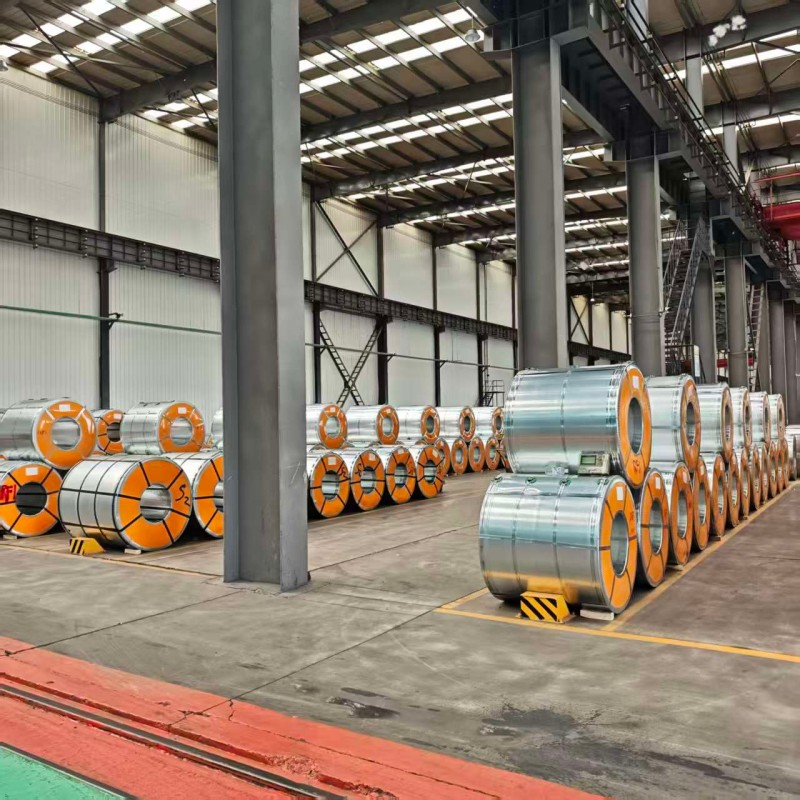
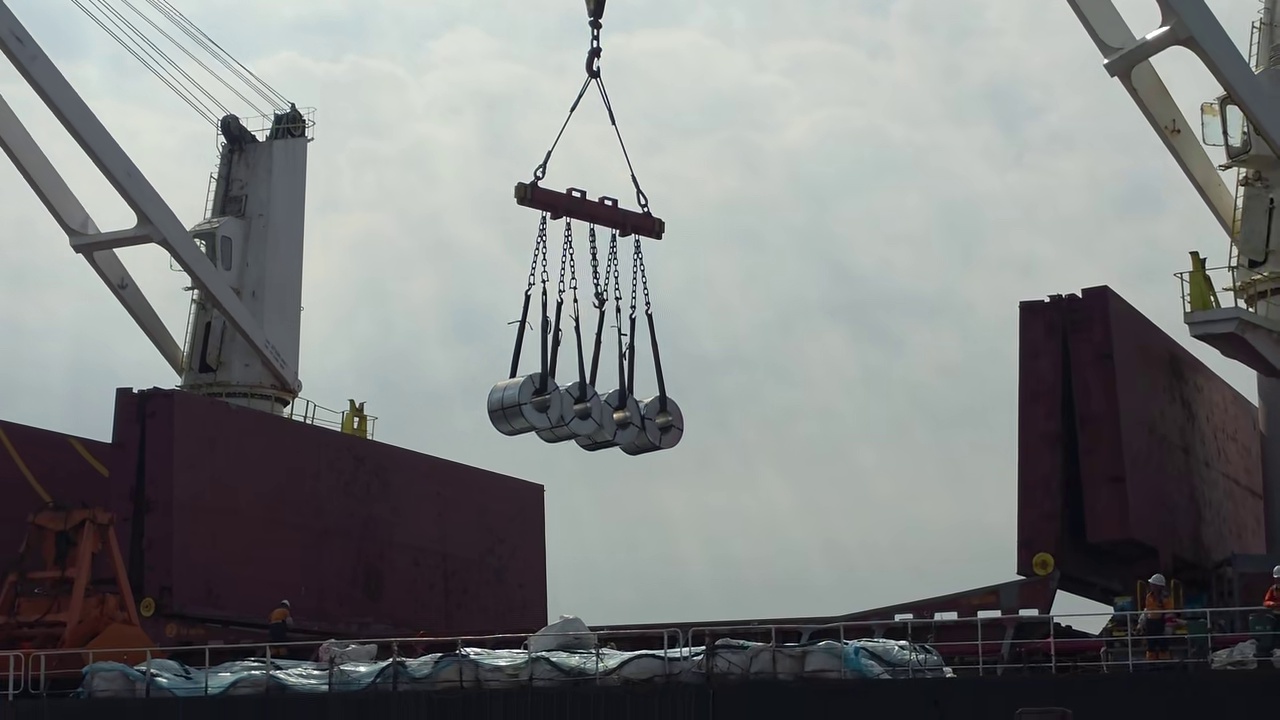
As an experienced manufacturer and global exporter, Yuanhe produces high‑specification galvalume steel coil inventory engineered specifically for challenging exterior environments. By maintaining precise coating weight control (such as AZ150 and AZ180 grades), rigorous spangle uniformity testing, and customizable coil slitting, Yuanhe supplies international markets with reliable materials designed for demanding roll‑forming applications. From custom width processing to secure export packaging, robust supply chain capabilities enable builders and fabricators worldwide to construct lower‑cost, highly durable building envelopes.
Evaluating roofing options through a 20‑year total cost lens reveals that galvalume steel coil provides the definitive engineering answer for modern commercial architecture.
 EN