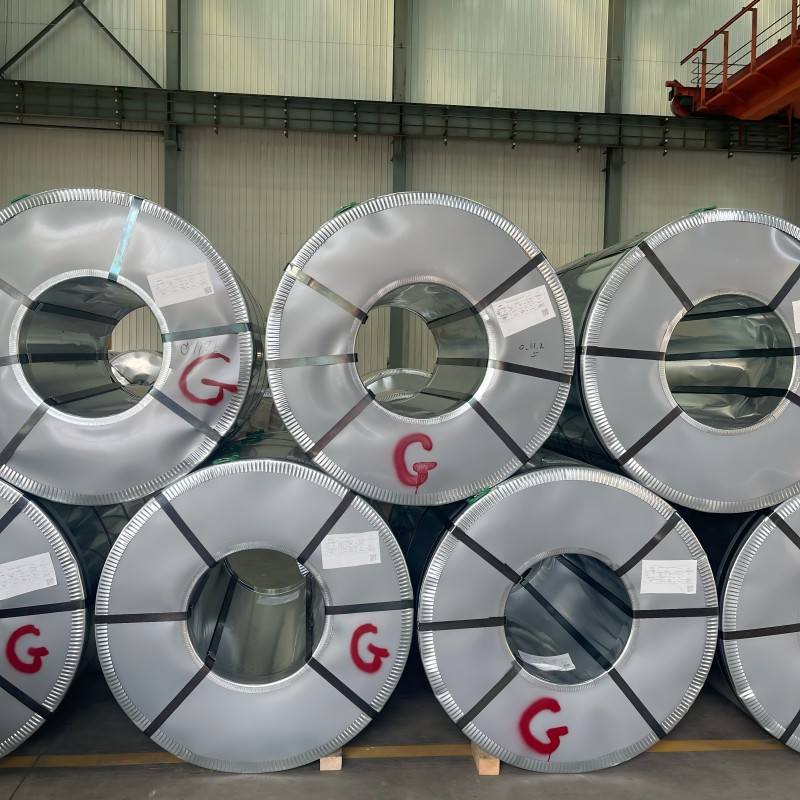
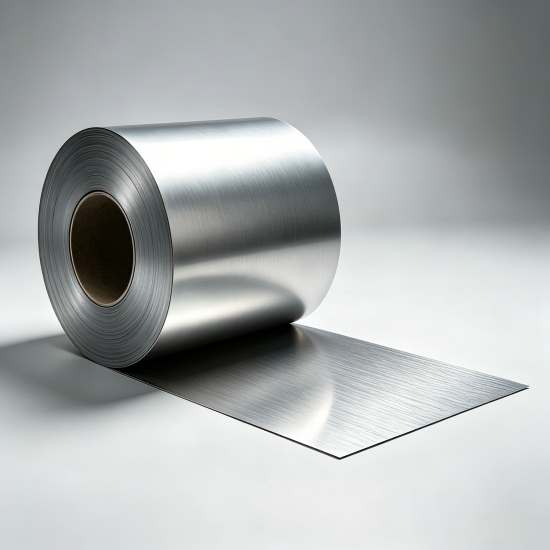
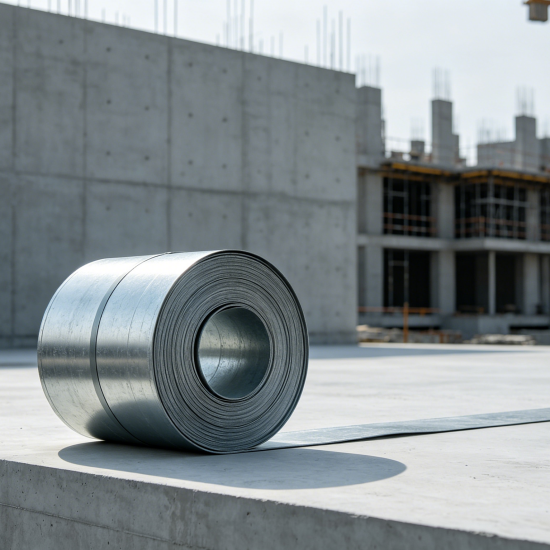
A widespread misconception among procurement specialists and facility managers is that high‑grade metal cladding requires zero care after installation. While 55% aluminum‑zinc coatings offer extraordinary corrosion resistance compared to traditional galvanized alternatives, even high‑performance industrial substrates benefit from occasional care. The key distinction is simple: care for galvalume steel coil cladding is minimal, straightforward, and low‑cost—yet performing these routine tasks makes a dramatic difference over the building's operational lifetime.
Implementing targeted galvalume coil maintenance can realistically stretch the functional service lifespan of exterior panels from 25 years to over 40 years. Proactive, scheduled upkeep preserves both the structural integrity and the aesthetic appearance of metal building envelopes across all weather conditions.
Scheduled Cleaning Protocols Across Different Environments
The most effective action to extend steel coil life is periodic surface cleaning with clean fresh water. Atmospheric contaminants, industrial particulates, air‑borne chemicals, and sea salts collect on exterior surfaces over time. When left unwashed, these deposits trap ambient moisture against the protective coating, accelerating localized pit corrosion and edge degradation.
Cleaning frequencies should always match the local micro‑climate:
| Environmental Hazard Level |
Facility Location Type |
Recommended Washing Interval |
Key Contaminants to Remove |
| Low Exposure |
Rural & Agricultural |
Every 12 Months |
Dust, organic debris, pollen |
| Moderate Exposure |
Urban & Commercial |
Every 6–8 Months |
Vehicle exhaust, grime, soot |
| High Exposure |
Coastal & Marine |
Every 3–4 Months |
Air‑borne sea salts, high humidity |
| Extreme Exposure |
Heavy Industrial Sites |
Every 3 Months |
Chemical fall‑out, sulfur compounds |
Rinsing panels with low‑pressure fresh water washes away accumulated salt crystals and chemical residues before they penetrate the passive oxide surface layer.
Pressure Restrictions: When power washing exterior cladding fabricated from weather‑resistant galvalume steel coil, never exceed 1,500 PSI. Excessive water pressure damages factory edge sealants, forces moisture into micro‑flaws around fastener holes, and strips protective surface treatments.
Annual Field Inspection and Monitoring Protocols
Conducting thorough annual inspections allows maintenance managers to catch minor physical flaws before they develop into costly structural issues. Systematic checks should prioritize high‑vulnerability areas across the building envelope.
Checklist for effective galvalume coil maintenance:
-
Surface Condition Checks: Scan for unusual chalking, micro‑fading, mechanical scratches, or localized red rust spots near standing seams.
-
Cut Edge Assessment: Inspect all field‑cut edges, door reveals, and eaves. Cut edges naturally self‑heal through zinc sacrificial action, but heavy industrial pollution can slow this self‑repairing mechanism.
-
Fastener Penetrations: Look for reddish corrosion streaks around washer perimeter zones. This condition indicates washer degradation or aggressive galvanic interaction between mismatched metal types.
-
Drainage and Lap Joints: Ensure gutters, downspouts, and panel overlaps remain free of standing water, leaf accumulation, and dirt buildup that blocks free runoff.
Documenting findings with high‑resolution photos creates an operational track record to monitor surface degradation across different building elevations.
On‑Site Spot Repair Techniques for Coating Scratches
Accidental mechanical damage—caused by roof foot traffic, falling tree limbs, or equipment maintenance—can expose bare steel to the elements. Applying prompt field repairs restores edge‑to‑edge protection and prevents rust from expanding beneath adjacent coating layers.
Recommended spot‑repair procedures based on damage severity:
-
Minor Surface Scratches (Under 1 mm Wide): Thoroughly clean the scratched surface using isopropyl alcohol to remove oil and grime. Apply a thin coat of zinc‑rich cold galvanizing compound or an engineered clear acrylic touch‑up pen matched to the original metallic finish.
-
Deeper Surface Gouges (1 mm to 5 mm Wide): Lightly sand the affected area with non‑metallic fine‑grit abrasive pads. Apply a high‑performance two‑part epoxy zinc‑rich primer, followed by a compatible weather‑resistant topcoat once cured.
-
Localized Corrosion Spots (Up to 10 mm Diameter): Carefully buff away loose rust using a stiff fiberglass or nylon brush (never use carbon steel wire brushes, as they leave iron particles embedded in the surface). Apply an industrial rust converter, follow with a zinc‑rich primer, and finish with a durable outdoor paint.
Addressing minor surface flaws immediately maintains the long‑term barrier protection of weather‑resistant galvalume steel coil installations without requiring expensive panel replacements.
Fastener Inspection and Sealant Care
Building envelope connections are critical performance zones. Substandard or aged fasteners frequently trigger localized moisture leaks long before the main metal sheet shows any degradation.
Guidelines for hardware and joint maintenance:
-
Washer Condition: Inspect EPDM rubber washers annually. Exposure to intense sunlight and ozone can cause synthetic rubber to harden, crack, or split over time. Replace compromised washers immediately to preserve watertight seals.
-
Torque Adjustments: Re‑torque loose fasteners to manufacturer‑specified tension settings. Over‑tightening crushes sealing washers, while under‑tightening leaves gaps where wind‑driven rain can penetrate.
-
Sealant Renewal: Inspect all lap joints, flashing connections, and penetration seals for cracking or adhesion failure. Clean away degraded material and apply a high‑grade, neutral‑cure silicone sealant compatible with 55% aluminum‑zinc coatings. Acid‑cure acetoxy silicones must never be used, as they release acetic acid during curing, which attacks metallic coatings.
Managing Surrounding Environmental Stressors
Controlling physical surroundings helps significantly reduce unnecessary structural stress on exterior metal cladding:
-
Vegetation Management: Trim tree branches, vines, and shrubs back at least one meter from building walls and rooflines. Direct contact causes physical abrasion, while falling leaves hold moisture against panel surfaces.
-
Ground Clearance: Maintain adequate clearance between soil lines and the lower edge of wall panels to prevent rain splash‑back, soil buildup, and prolonged dampness.
-
Bird Pest Control: Install bird deterrents along high roof ledges and gables. Bird droppings contain concentrated acidic compounds that break down protective metallic layers if allowed to accumulate.
Partnering with Qualified Manufacturers and Global Suppliers
Maximizing material longevity starts with specifying high‑purity raw materials from trusted suppliers. Precise coating application, uniform alloy mixing, and consistent tension‑leveling during coil production lay the foundation for decades of trouble‑free exterior performance.
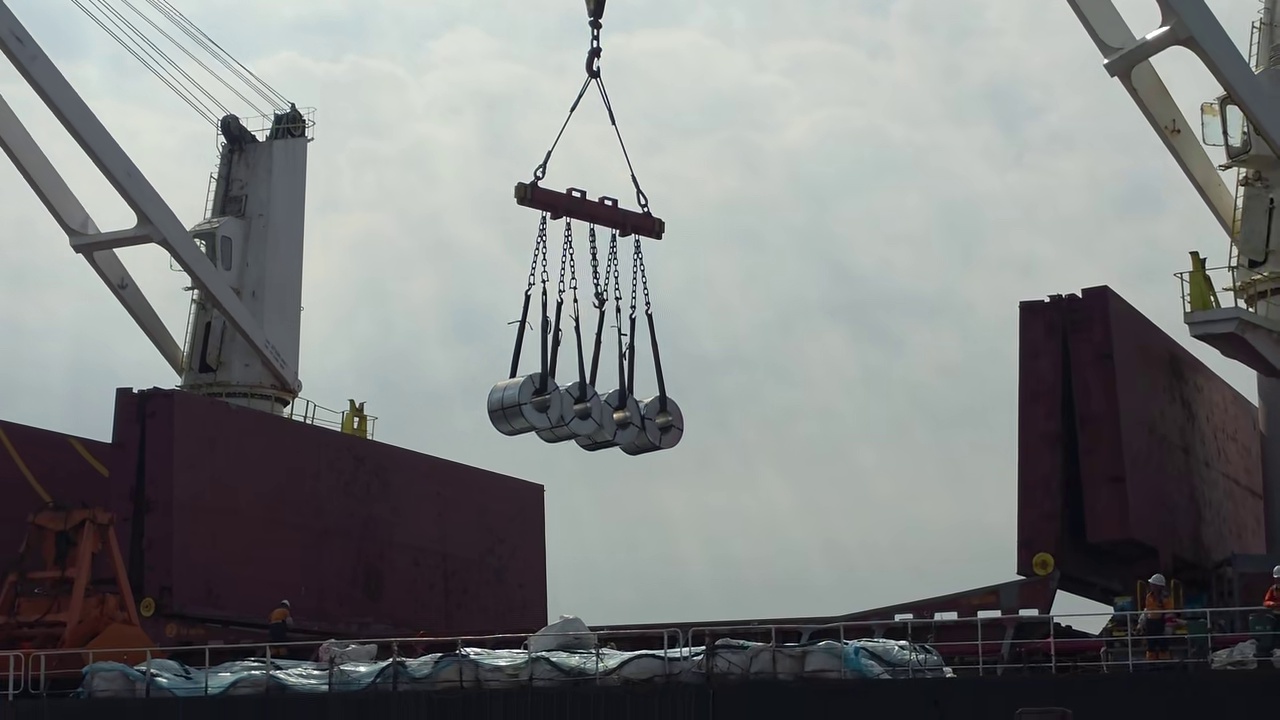
Supporting international industrial projects with premium‑grade metal products, Yuanhe manufactures high‑specification galvalume steel coil stock engineered for demanding environmental conditions. By providing complete mill test documentation, customized coil slitting services, and comprehensive care guidance with international shipments, Yuanhe enables global contractors to construct long‑lasting metal building envelopes. Investing in high‑quality raw materials alongside basic galvalume coil maintenance provides building owners with reliable protection, operational continuity, and exceptional total lifecycle value.
 EN