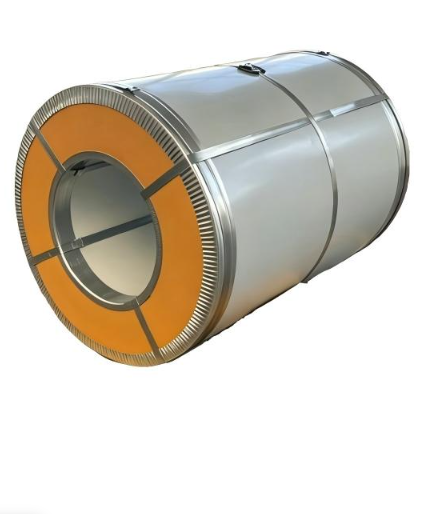
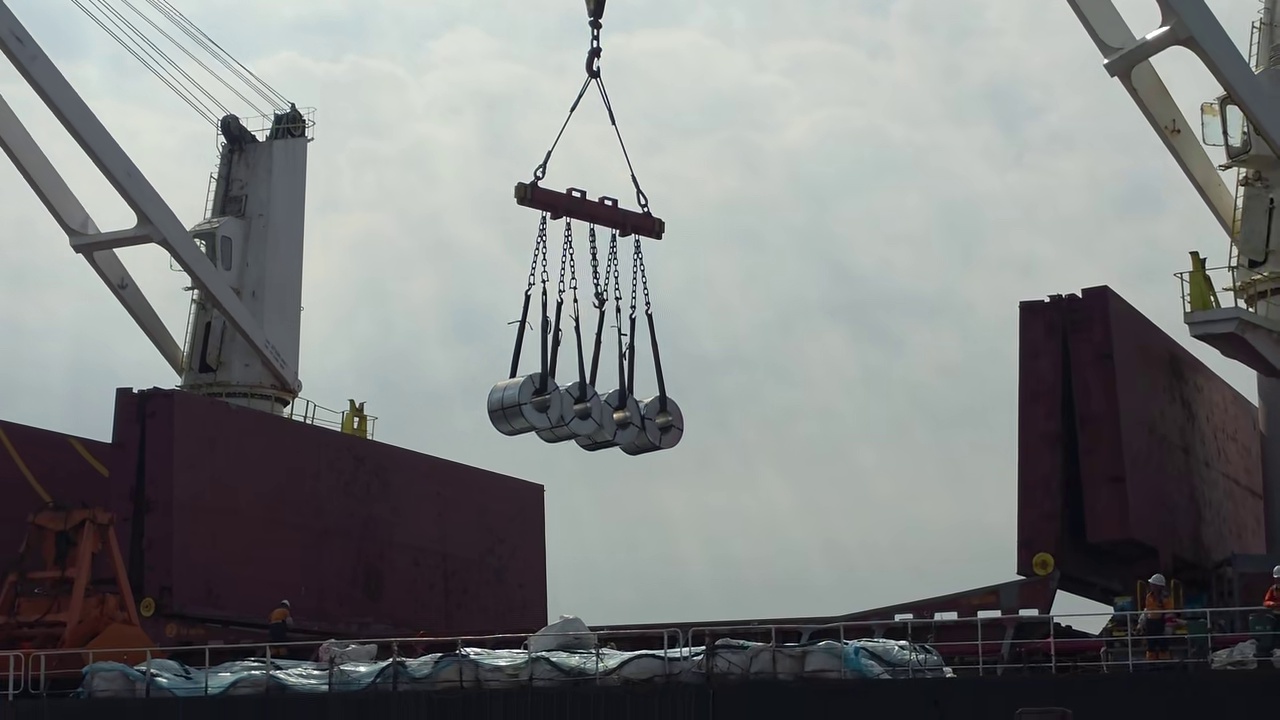
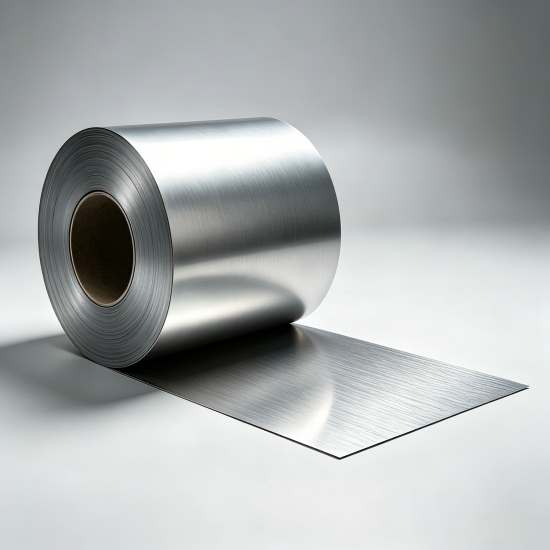
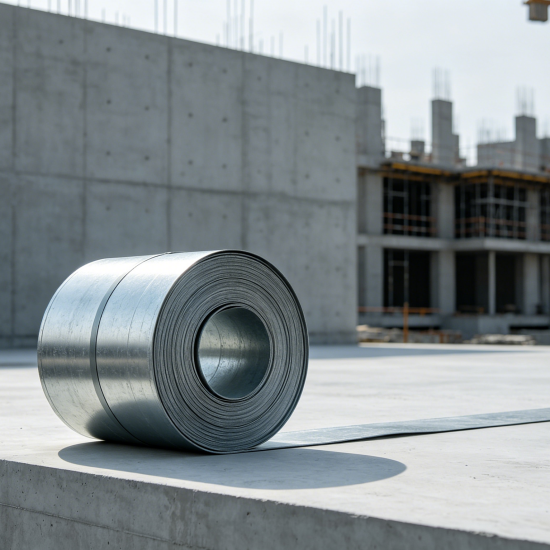
Pre-painted Galvalume (PPGL) steel coils feature organic paint coatings baked onto an Al-Zn alloy substrate, offering exceptional aesthetic appeal and corrosion resistance for architectural and appliance applications. However, their decorative organic finish is highly susceptible to mechanical abrasion during transit and warehouse handling. Ensuring flawless surface integrity during PPGL coil loading and unloading is critical for global distributors and manufacturers. Proper operational protocols safeguard material quality, eliminate customer complaints, and reduce expensive scrap rates.
As part of our commitment to professional supply chain execution on Yuanhe PPGI, this technical guide details industry best practices for preventing handling damage.
Critical Paint Layer Vulnerabilities and Risk Factors
Unlike bare galvanized steel, PPGL coils possess multiple layers, including a metallic coating, chemical conversion layer, primer, and a top polyester (PE), polyvinylidene fluoride (PVDF), or polyurethane (PU) finish.
-
Topcoat Sensitivity: Sharp metal edges, improper lifting hooks, or grit on warehouse floors can easily puncture or gouge the paint layer.
-
Friction and Vibration: During transport, relative motion between stacked coils or against container walls causes abrasion if proper cushioning is absent.
-
Moisture Trapping: Scratches that expose the underlying Al-Zn substrate compromise barrier protection, accelerating white rust and filiform corrosion in humid marine environments.
Essential Equipment Preparation and Pre-Lift Audits
Before initiating any PPGL coil loading and unloading procedure, staging the right equipment prevents accidental surface marring.
-
Dedicated Lifting Slings: Never use bare wire ropes or chains directly in contact with the coil eye or outer wrap. Always utilize nylon webbing slings, heavy-duty polyester straps, or rubber-coated spreader bars.
-
C-Hook Inspection: When handling coils with a horizontal axis using a C-hook, ensure the horn of the hook features a protective polyurethane or leather sleeve to prevent metal-on-metal scraping against the inner diameter (ID).
-
Forklift Extensions: If utilizing forklifts with ram attachments, make sure the steel ram is fitted with a durable rubber guard or polymer sleeve to avoid scoring the coil bore.
Comparative Handling Matrix: Risk Mitigation Benchmarks
To visualize the contrast between hazardous practices and certified logistics execution, review the operational comparison below:
| Operational Parameter |
High-Risk Operational Hazards |
Certified Protection Protocols |
| Lifting Gear |
Unprotected wire ropes or bare steel chains |
Soft nylon slings, polyurethane-padded C-hooks |
| Floor Protection |
Direct placement on concrete or gravel floors |
Heavy-duty rubber mats, wooden dunnage, pallets |
| Securing Method |
Steel strapping directly touching painted outer wraps |
Edge protectors, wooden wedges, high-tensile webbing |
| Stacking Protocol |
Multi-tier stacking without separators |
Single-tier eye-to-sky loading or proper wooden cribbing |
| Environmental Check |
Outdoor loading during heavy rain or sandstorms |
Covered loading bays with debris-free surfaces |
Sequential Container Loading & Securing Workflow
Executing secure PPGL coil loading and unloading inside shipping containers or flatbed trucks requires strict adherence to sequential steps:
-
Container Floor Cleaning: Sweep out wood splinters, nails, metal debris, and grit from the container floor. Even small sand particles can act as an abrasive paste under the weight of a multi-ton coil.
-
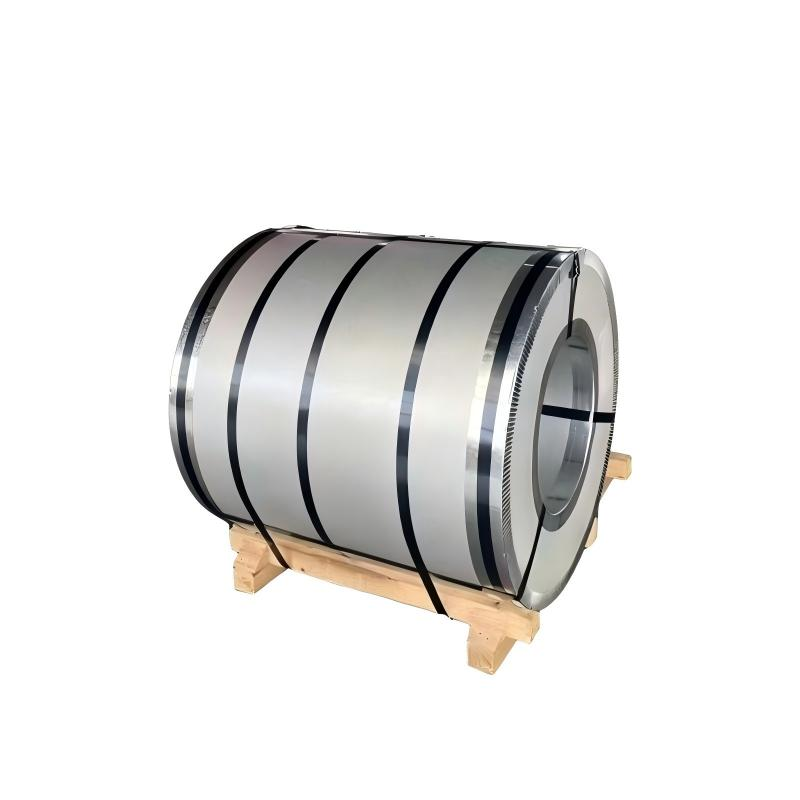
Placement and Positioning: Position coils securely using the "eye-to-sky" (vertical) or "eye-to-horizon" (horizontal) method specified in the export packing list. For horizontal coils, wedge them firmly with anti-slip rubber blocks and wooden chocks nailed or braced against container sidewalls.
-
Inter-Coil Cushioning: When loading multiple coils side-by-side, insert high-density polyethylene (HDPE) sheets or corrugated rubber pads between coils to prevent shifting and friction during transit bumps.
Destination Unpacking Protocols and Warehouse Safety
The risk of damaging the organic finish peaks during destination warehousing and unpacking. Adhering to strict standards during PPGL coil loading and unloading ensures goods arrive pristine at processing lines.
-
Gradual Deceleration: Operate overhead cranes and forklifts at slow, controlled speeds. Sudden jerky movements can cause swinging loads that collide with container walls or adjacent cargo.
-
Edge Guard Utilization: Ensure that tie-down straps used to anchor loads inside trucks do not pass bare across the outer circumference of the coil. Use corner protectors and high-density foam buffers under all tensioned straps.
-
Immediate Surface Audit: Conduct a joint inspection upon unloading, verifying that the strippable protective film (if applied) remains intact and free from tear marks or moisture intrusion.
Field Case Study: Zero-Defect Logistics Implementation
A recent client importing high-gloss PVDF-coated PPGL coils reported recurring hairline surface scuffs upon arrival at their stamping plant. Our technical audit revealed that their logistics team was utilizing unpadded steel chains and rough wooden pallets during transit.
By transitioning their standard operating procedure to include specialized polyurethane-padded C-hooks, rubber floor mats, and edge protectors during PPGL coil loading and unloading, surface damage claims dropped to absolute zero within the first quarter. Furthermore, implementing these strict handling protocols boosted their downstream roll-forming efficiency by eliminating paint-touchup downtime.
Final Summary and Next Steps
Mastering the nuances of PPGL coil loading and unloading is essential for maintaining the superior aesthetics and corrosion resistance of pre-painted steel products. By deploying padded lifting gear, maintaining clean staging environments, and using professional dunnage, global buyers can completely eliminate transit-induced surface defects. For top-grade coated steel coils and expert logistics consultation, explore our complete manufacturing portfolio at Yuanhe PPGI.
 EN